About Linear Vacuum Belt Filter
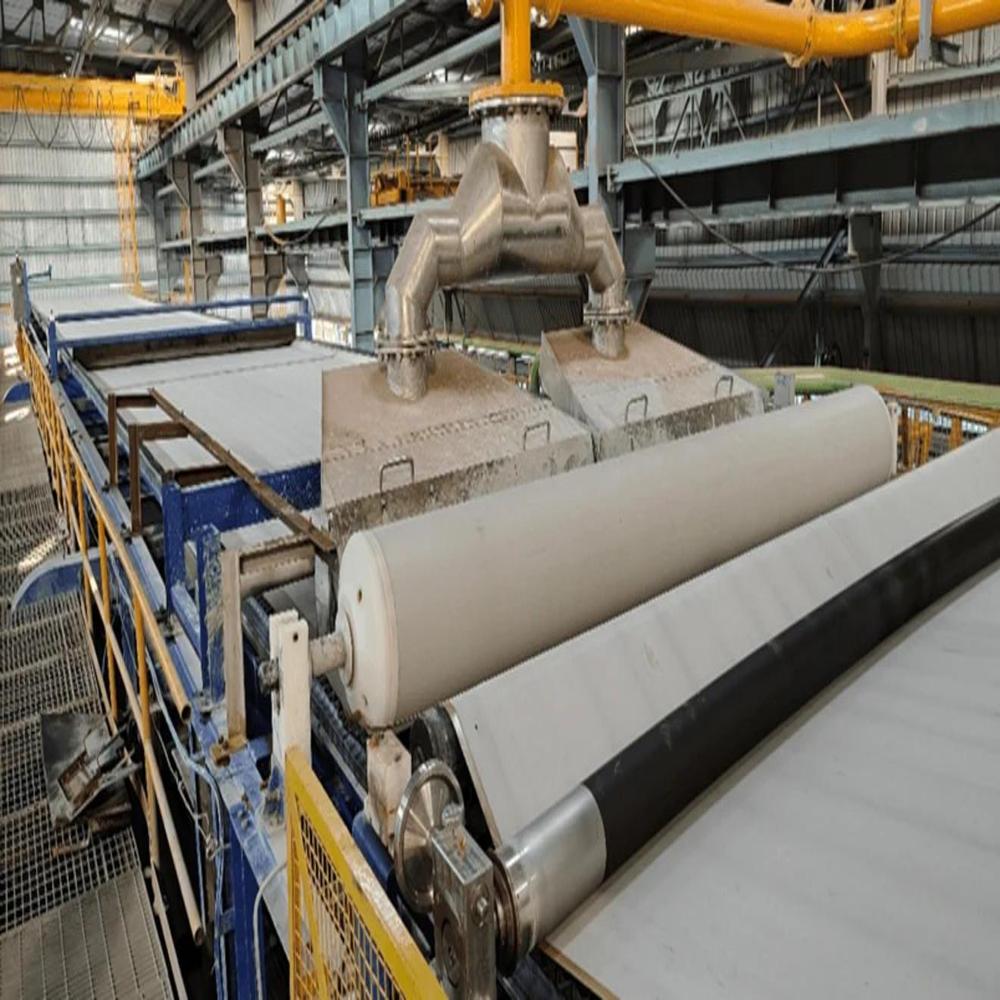
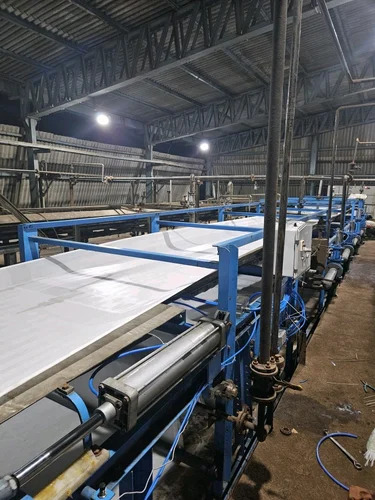
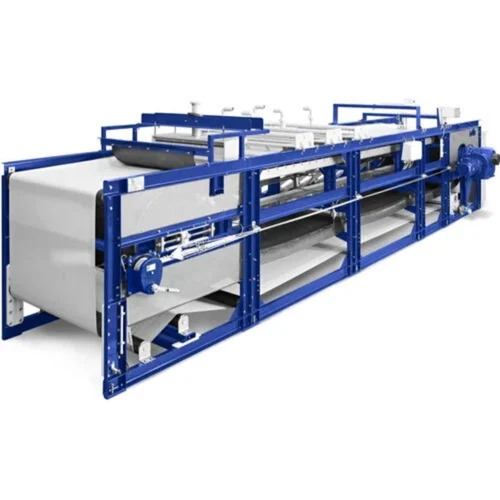
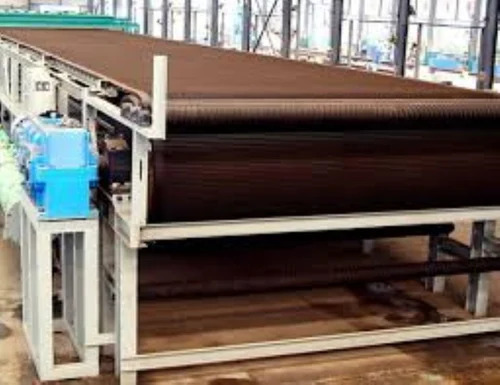
Take advantage of this hot deal and buy the distinguished Linear Vacuum Belt Filter, engineered for optimum solid-liquid separation across a range of industrial applications. With a variable filtration area from 2 m2 to 100 m2 and imposing belt speeds of 1 to 20 m/h, this cost-effective system operates efficiently under a vacuum degree of up to -0.098 MPa. Its PLC automated controls and robust construction-offered in carbon steel or stainless steel-ensure precise, reliable performance, while integrated high-pressure cleaning maximizes filtration quality and minimizes maintenance.
Versatility and Applications of Linear Vacuum Belt Filter
The Linear Vacuum Belt Filter is widely used as a reliable continuous filtration system for solid-liquid separation. Common application places include mining sites, chemical manufacturing plants, food processing factories, pharmaceutical facilities, metallurgy operations, and wastewater treatment plants. Its specific use revolves around extracting solids from liquids efficiently, while its general use caters to large-scale industrial processes demanding constant and effective separation solutions. This makes it indispensable for industries seeking dependable production lines and high-quality output.
Certifications, Supply Ability, and Export Market Reach
Each Linear Vacuum Belt Filter shipped to our global clients adheres to stringent international certifications, ensuring distinguished quality and safety standards. We maintain a robust supply ability, capable of fulfilling large-scale proposal amounts with a fast turnaround rate. Our main export markets cover Asia, Europe, North America, and beyond, serving manufacturers and service providers across various industries who count on efficient, reliable dewatering solutions tailored to their operational requirements.
FAQ's of Linear Vacuum Belt Filter:
Q: How does the Linear Vacuum Belt Filter process solid-liquid separation?
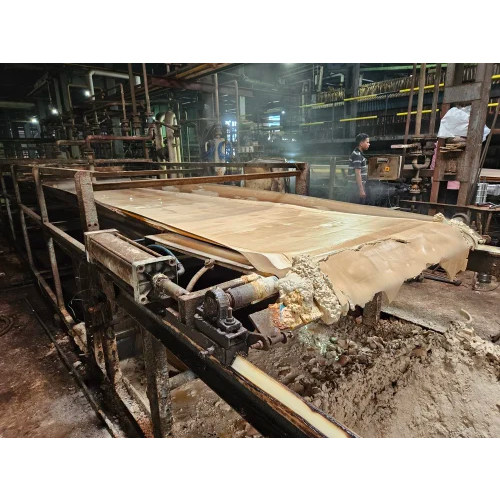
A: The filter uses a continuous belt system, operating under vacuum pressure to separate solids from liquids. Feed slurry is evenly distributed over the moving belt, and vacuum draws the liquid through the filter media, leaving solid cake on the surface. The cake is then mechanically discharged, while the filtrate is collected for further processing.
Q: What are the primary benefits of using a Linear Vacuum Belt Filter?
A: Key benefits include high filtration efficiency (up to 98%), adjustable operational parameters, low hydraulic resistance for optimum throughput, reduced moisture content in the filtered cake, and low operating noise. PLC automated controls and integrated high-pressure cleaning further enhance usability and reduce manual intervention.
Q: When should you choose a Linear Vacuum Belt Filter over other filtration systems?
A: This system is preferable when continuous, high-volume filtration with precise control is needed, such as in mining, food processing, or wastewater treatment. Its ability to handle large capacities and diverse feed materials with varying particle sizes makes it suitable for industries requiring robust and efficient dewatering solutions.
Q: Where can the Linear Vacuum Belt Filter be installed and used?
A: It can be installed in industrial settings requiring solid-liquid separation, including mining operations, chemical plants, food and beverage processing units, pharmaceutical facilities, metallurgy industries, and municipal or industrial wastewater treatment plants.
Q: What materials are used in the construction of the Linear Vacuum Belt Filter?
A: The filter can be fabricated from carbon steel or stainless steel, with filter media made of polyester, polypropylene, or stainless steel mesh. Seals are available in rubber or polyurethane, ensuring durability and compatibility with various chemical and thermal process conditions.
Q: How is the Linear Vacuum Belt Filter controlled and monitored?
A: The system is managed via a PLC-controlled automated panel, featuring a user-friendly touch screen interface. This allows for precise adjustments of belt speed, vacuum degree, and cake discharge, ensuring consistent process performance and efficient monitoring.





 English
 Spanish
 French
 German
 Italian
 Chinese (Simplified)
 Japanese
 Korean
 Arabic
 Portuguese
 Send Inquiry

